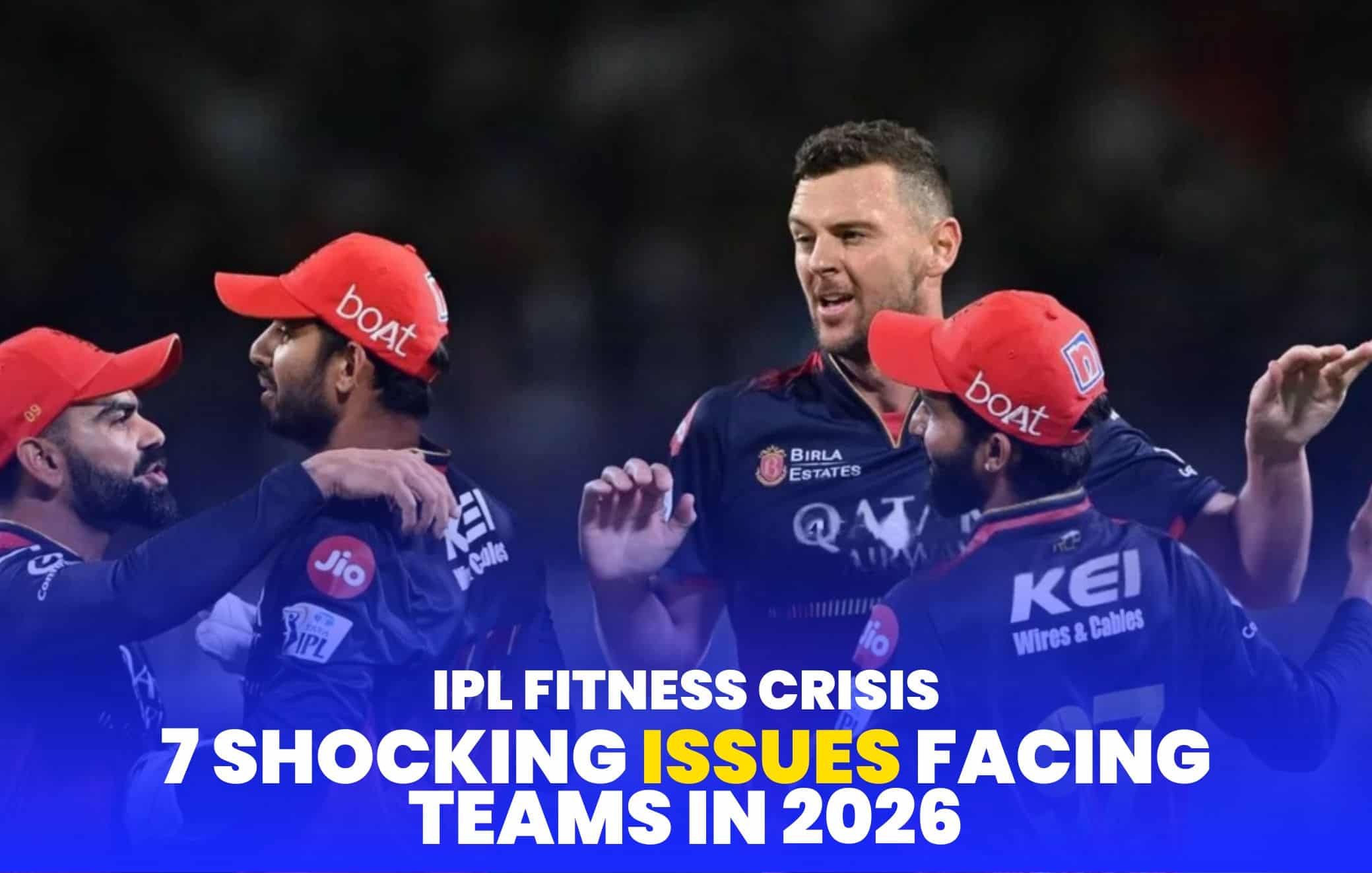
IPL fitness crisis has emerged as a major concern in the 2026 season, with several Australian players struggling with injuries and limited availability. The IPL fitness crisis is already impacting team combinations, performance strategies, and raising serious questions about player workload management and franchise investments.
IPL Fitness Crisis Hits Teams Early in 2026
The IPL fitness crisis has taken center stage in the 2026 season, affecting multiple franchises from the very first matches. Teams that invested heavily in top international players are now dealing with unexpected setbacks as injuries and fitness restrictions limit player participation.
The situation highlights a growing conflict between international cricket boards and franchise leagues. While franchises expect full availability, national boards are prioritizing long-term fitness, creating a challenging balance for players and teams alike.
Australian Players Fitness Concerns Dominate IPL
One of the biggest contributors to the IPL fitness crisis is the condition of Australian players. Several key players are either unavailable or unable to perform their primary roles due to ongoing injury management.
Cameron Green’s limited role has become a major talking point. Despite being a high-value signing, he is currently unable to bowl as he recovers from back surgery. This has forced his team to adjust strategies and operate without a crucial all-round option.
Similarly, Josh Hazlewood was unavailable for selection due to fitness concerns, while Pat Cummins missed early matches as he continues recovery from a back injury. Mitchell Starc is also being carefully managed due to elbow and shoulder issues.
Impact on Team Combinations and Strategy
The IPL fitness crisis is significantly affecting how teams approach matches. Coaches and captains are being forced to rethink their combinations, often relying more on domestic players to fill gaps left by injured stars.
This disruption has a direct impact on match outcomes. Teams are unable to execute their preferred strategies, particularly when key bowlers or all-rounders are missing or restricted. The absence of fully fit players reduces flexibility and weakens tactical depth.
For example, the inability of certain players to bowl has created imbalances, forcing teams to overwork other bowlers or compromise on ideal match-ups. This has become a recurring issue in the early stages of the IPL 2026 season.
Financial Impact of the IPL Fitness Crisis
The IPL fitness crisis is not just a sporting issue—it also has significant financial implications. Franchises invest massive sums in international players, expecting them to deliver consistent performances throughout the season.
However, when players arrive injured or become unavailable, teams are left with limited options and no compensation. This creates a financial imbalance, as franchises bear the cost without receiving the expected value.
High-profile signings worth over Rs 20 crore are now unable to fully contribute, raising concerns about the sustainability of such investments. The lack of financial protection for franchises adds to the frustration surrounding the IPL fitness crisis.
Cricket Australia’s Role in Player Management
A key factor behind the IPL fitness crisis is the approach taken by Cricket Australia in managing player workloads. With a packed international schedule ahead, including a significant number of Test matches, the board is prioritizing long-format fitness.
This decision is understandable from a national perspective but creates challenges for IPL franchises. Players are being carefully managed to ensure they remain fit for international duties, even if it means limited participation in the IPL.
The IPL fitness crisis reflects the growing influence of national boards in determining player availability. As a result, franchises have less control over their own squad planning and performance outcomes.
Calls for Policy Changes and Transparency
The IPL fitness crisis has sparked discussions about possible solutions to protect franchises. One of the key suggestions is increased transparency before auctions, allowing teams to fully understand player availability and fitness conditions.
Franchises are also exploring the idea of rule changes that would allow replacements during the early or mid-season phases. This would help teams manage unexpected absences and maintain competitive balance.
Another major question is whether cricket boards should compensate franchises when players are unavailable due to national commitments or injury management. This could provide financial relief and ensure fairness across the league.
Balancing Club vs Country Debate
The IPL fitness crisis has reignited the long-standing debate between club and country commitments. While the IPL offers lucrative opportunities and global exposure, national teams remain the top priority for players and boards.
This balance is becoming increasingly difficult to maintain, especially with crowded international schedules. Players are under constant pressure to perform across formats, increasing the risk of injuries and fatigue.
The IPL fitness crisis highlights the need for better coordination between cricket boards and franchise leagues. A more structured calendar could help reduce conflicts and ensure players can participate at their peak fitness levels.
Long-Term Implications for IPL 2026
The ongoing IPL fitness crisis could have lasting implications for the league. Teams may become more cautious in future auctions, focusing on player availability and fitness history rather than just performance and reputation.
Franchises might also push for stronger contractual agreements to safeguard their investments. This could lead to changes in how players are signed and managed within the league.
Additionally, the IPL fitness crisis could influence scheduling decisions, encouraging better alignment with international calendars to minimize player absences.
Key Takeaways from IPL Fitness Crisis
The IPL fitness crisis has revealed several critical issues that need attention:
- Player workload management is becoming increasingly complex
- Franchises face financial risks due to unavailable players
- National boards hold significant control over player participation
- Tactical disruptions are affecting team performance
- Greater transparency and policy reforms are urgently needed
Why IPL 2026 Faces Unique Challenges
The IPL fitness crisis in 2026 stands out due to the scale of impact across multiple teams. Unlike isolated injuries in previous seasons, this year has seen a widespread issue affecting several key players simultaneously.
This has made the IPL fitness crisis one of the most talked-about topics in cricket, as it directly influences the competitiveness and fairness of the tournament.
The IPL fitness crisis has exposed the challenges of balancing international commitments with franchise cricket. As teams struggle with unavailable players and disrupted strategies, the need for better coordination and policy reforms becomes clear.
Moving forward, addressing the IPL fitness crisis will be crucial to maintaining the league’s competitive integrity and ensuring that both players and franchises can thrive. The 2026 season may serve as a turning point in how cricket manages player fitness and availability on a global scale.
Written by 8JJ.com | March 30,2026
Stay updated with 8JJ for Real-Time Sports Scores & Sports Related Updates
🔗 Visit our other platforms:
8jjSports.com