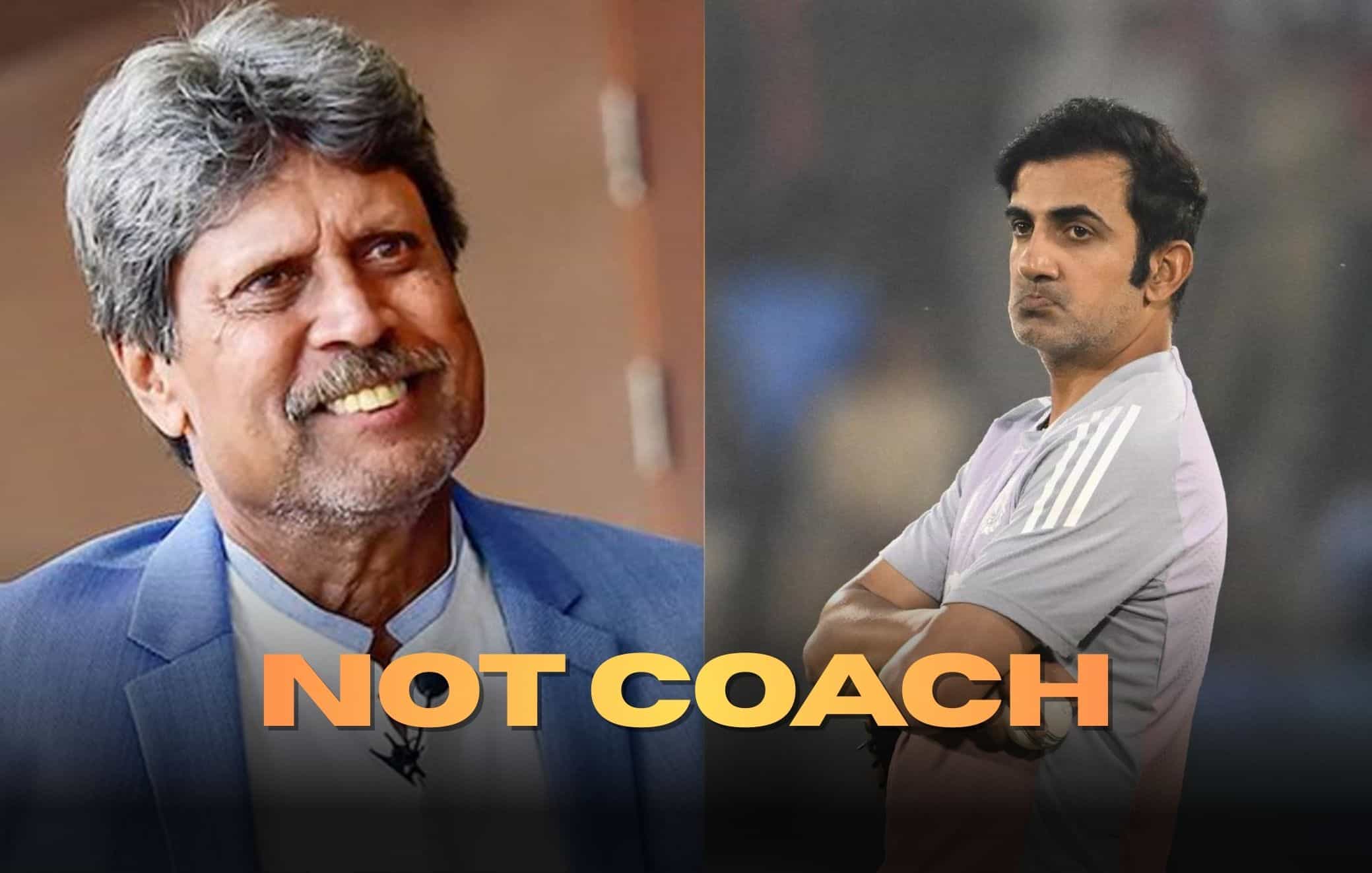
Kapil Dev has offered a clear perspective on the ongoing debate surrounding Gautam Gambhir’s role in the Indian team setup, stating that the modern-day coach functions more as a manager than a traditional instructor. His comments come amid criticism of Gambhir following India’s 0–2 Test series defeat to South Africa, where squad rotation and the use of part-time bowlers drew scrutiny. According to Kapil Dev, the expectations attached to the word “coach” no longer align with the realities of contemporary international cricket.
Kapil Dev Explains the Modern Coach Concept
Kapil Dev emphasized that Gautam Gambhir cannot be viewed through the lens of conventional coaching. Speaking at the Indian Chamber of Commerce ICC Centenary Session, Kapil Dev remarked that Gambhir’s responsibilities align more closely with team management. In today’s game, elite players arrive at the international level with established techniques, leaving little room for foundational coaching. Instead, leadership revolves around guidance, trust, and decision-making.
Gautam Gambhir as a Team Manager
Kapil Dev clarified that modern coaching is largely about managing personalities rather than teaching skills. Specialists such as leg spinners, wicketkeepers, and fast bowlers require tailored support instead of generic instruction. Gautam Gambhir’s role, in this context, centers on facilitating an environment where players feel supported and confident enough to express their abilities freely.
Manager vs Coach in Modern Cricket Leadership
Drawing from his own experiences, Kapil Dev distinguished between coaching at junior levels and leadership at the international stage. He explained that coaches in school and college teach fundamentals, while international setups demand managers who can handle pressure, egos, and expectations. This distinction underlines why the term “coach” can be misleading when applied to figures like Gautam Gambhir.
Kapil Dev’s Philosophy on Player Support
Kapil Dev highlighted the importance of backing players during difficult phases. He stressed that a manager’s responsibility lies in encouraging those who are struggling rather than focusing solely on high performers. According to Kapil Dev, players draw confidence from leadership during adversity, and that reassurance often defines long-term success. This philosophy contrasts with reactionary criticism that follows short-term failures.
Leadership Beyond On-Field Performance
Leadership, as described by Kapil Dev, extends beyond match results. Building team cohesion, managing morale, and maintaining belief are central responsibilities. He explained that captains and managers must create unity and clarity within the squad, ensuring every player understands their role regardless of form. Gautam Gambhir’s approach, therefore, should be evaluated through this broader leadership lens rather than purely tactical outcomes.
Context of Gautam Gambhir Criticism
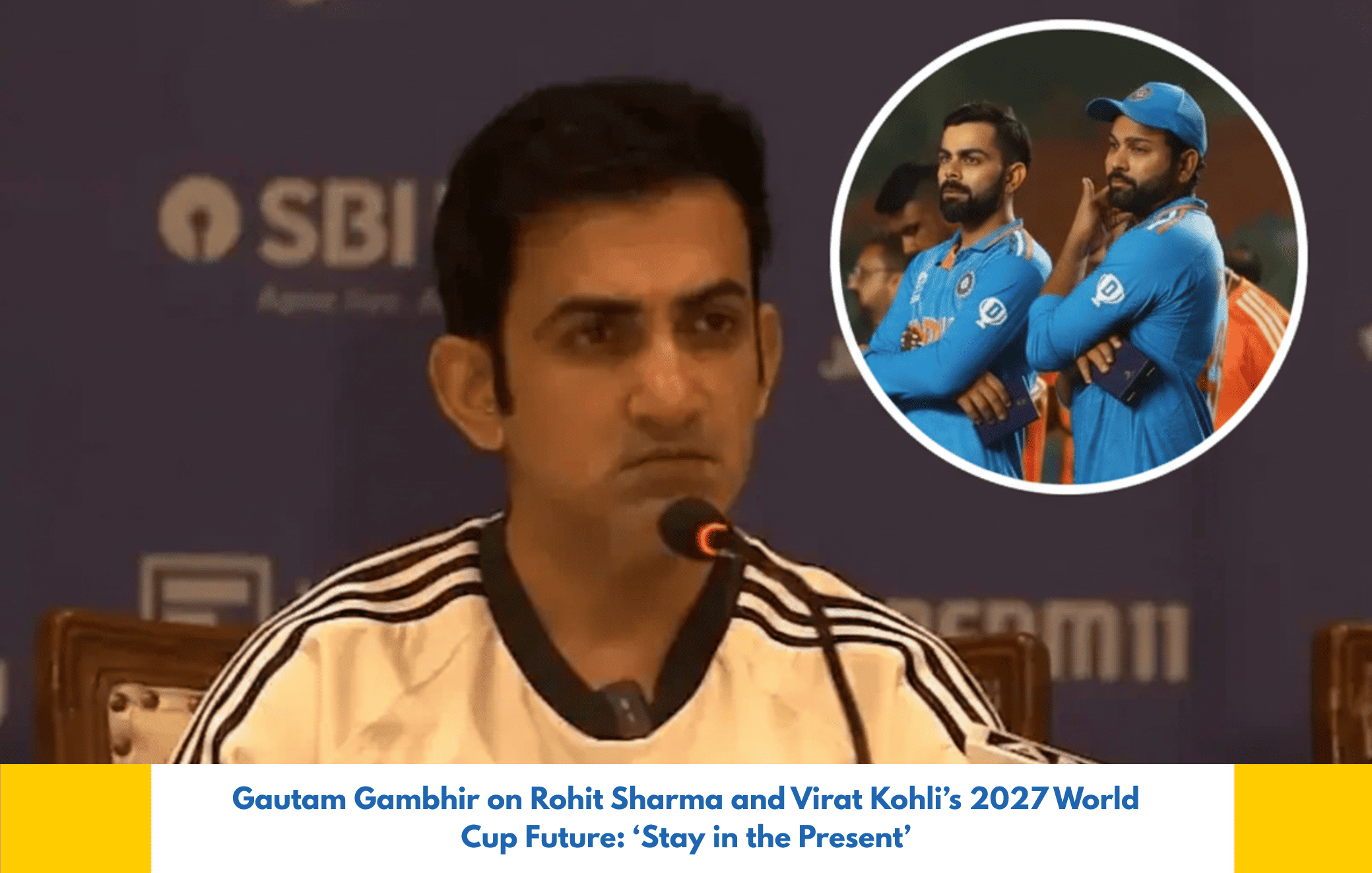
The criticism of Gautam Gambhir intensified after India’s Test series loss to South Africa, with questions raised about rotation policies and bowling choices. Kapil Dev’s remarks offer a counterbalance to that narrative, suggesting that modern leadership decisions are shaped by long-term planning rather than immediate results. The emphasis remains on managing workload, confidence, and development across a demanding international calendar.
Evolving Definition of Coaching in Cricket
Kapil Dev’s comments reinforce a broader shift in cricket’s professional structure. As the sport evolves, coaching increasingly blends into management, psychology, and strategy. Figures like Gautam Gambhir operate within this hybrid role, where success depends as much on interpersonal skills as technical knowledge. Understanding this evolution is essential when assessing leadership in the modern game.
Conclusion: Kapil Dev Frames the Debate Clearly
Kapil Dev’s perspective reframes the discussion around Gautam Gambhir by redefining what coaching means in today’s cricketing landscape. Rather than viewing leadership through outdated definitions, his remarks highlight the importance of player management, confidence-building, and team cohesion. In an era where elite players arrive fully formed, the role of figures like Gambhir is less about instruction and more about stewardship, guidance, and trust.
🔗 Visit our other platforms:
8jjSports.com