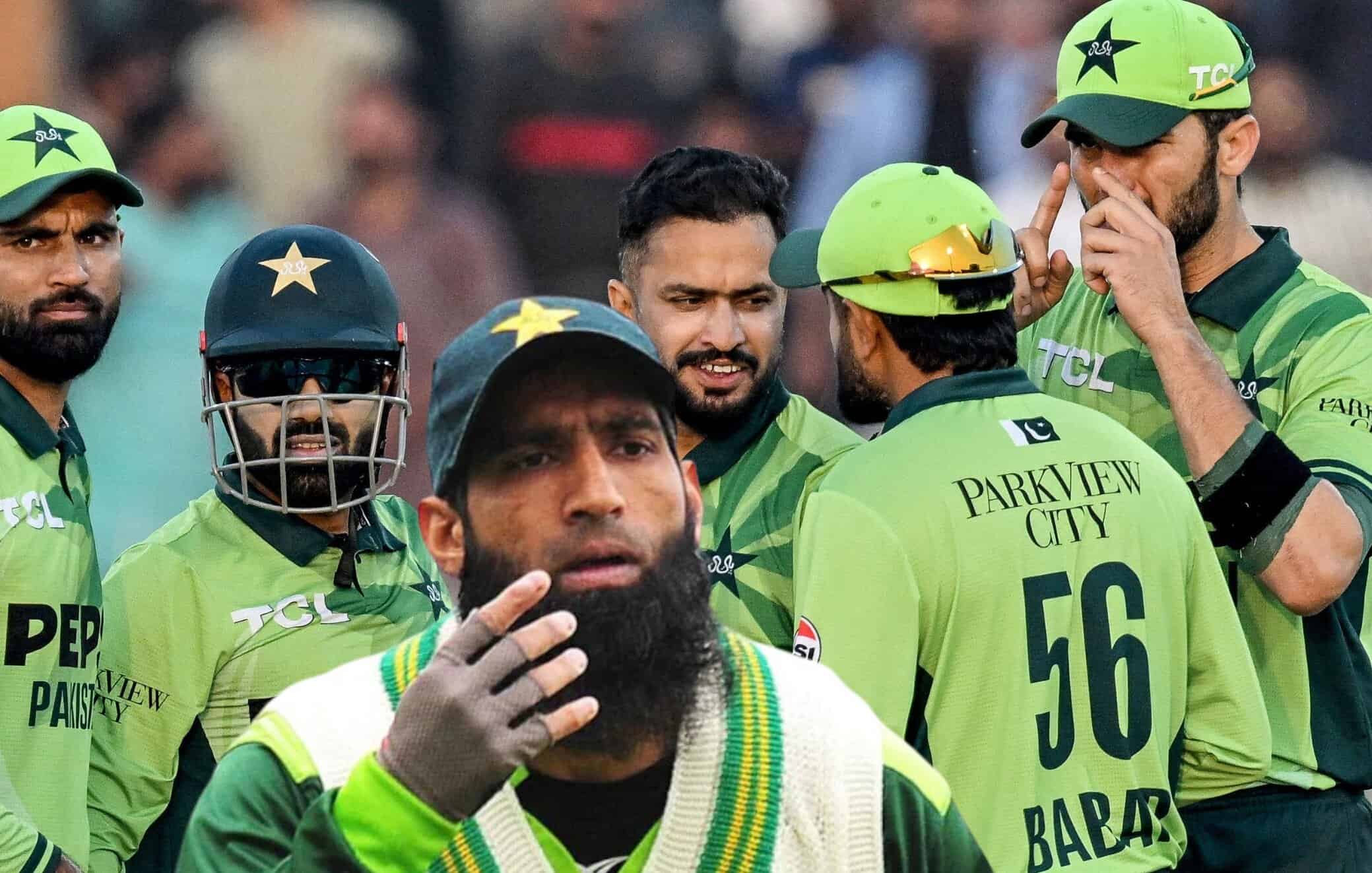
Pakistan has sparked a major discussion over T20 World Cup 2026 viewership following Bangladesh’s controversial removal from the tournament. Mohammad Yousaf’s social media post ignited debates on audience numbers, fairness, and ICC governance. Analysts have fact-checked his claims, revealing key insights about cricket viewership patterns.
Bangladesh Ousted from T20 World Cup 2026
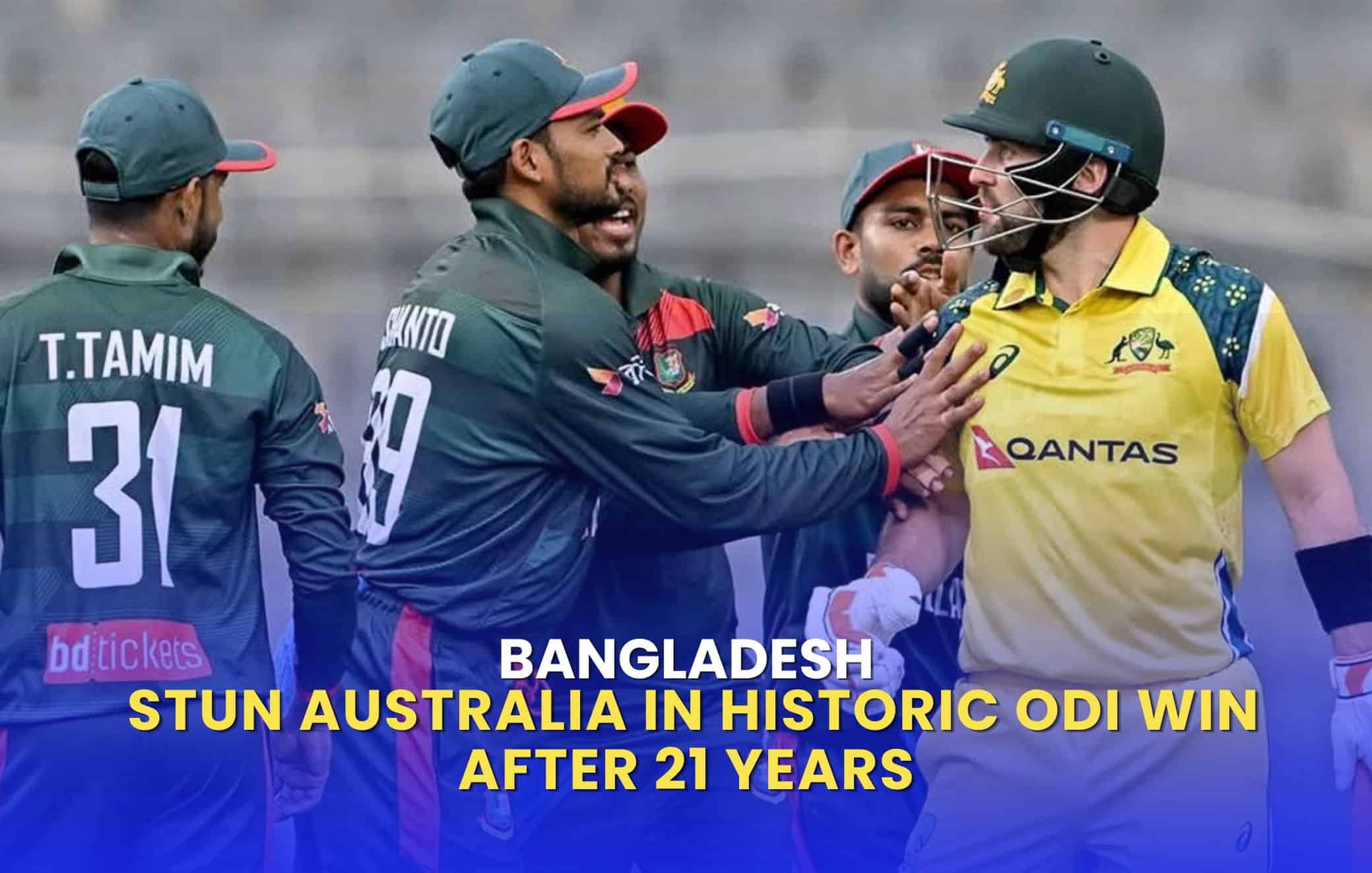
The T20 World Cup 2026 witnessed Bangladesh being replaced by Scotland after the International Cricket Council (ICC) rejected the former’s request to change venues. Bangladesh cited alleged security concerns, but the ICC found no credible threats. This decision led to widespread discussions, particularly around how such moves might impact global cricket viewership.
Mohammad Yousaf Sparks Social Media Debate
Mohammad Yousaf, legendary Pakistan cricketer, posted on X (formerly Twitter) that removing Bangladesh could result in significant viewership losses for the ICC. He wrote:
“The combined cricket viewership of New Zealand, Australia, Scotland, Nepal, Netherlands, Ireland, Namibia, Zimbabwe, Sri Lanka and Afghanistan is broadly equivalent to the viewership Bangladesh generates on its own.”
His claim immediately went viral, prompting cricket fans and analysts to scrutinize the data.
Fact-Checking Yousaf’s Claims
Independent analysts noted that Yousaf’s figures reflected country populations rather than actual cricket viewership. According to fact-checks, Bangladesh accounts for approximately 4–5% of global cricket audiences, while countries like Australia have higher household penetration. Despite the correction, the debate over viewership impact continues.
Pakistan’s Potential Withdrawal
Following Bangladesh’s exclusion, Pakistan has considered withdrawing from the T20 World Cup 2026 in solidarity with the Bangla Tigers. The Pakistan Cricket Board (PCB) chief, Mohsin Naqvi, met Prime Minister Shehbaz Sharif to discuss the implications and determine Pakistan’s stance.
Risks of Withdrawal
Withdrawing from the tournament could lead to serious consequences for Pakistan cricket. One of the most significant risks is global isolation from international tournaments, which would reduce Pakistan’s influence within the cricketing ecosystem. Financial penalties and potential loss of ICC funding would further strain the Pakistan Cricket Board (PCB), affecting domestic cricket development, player welfare programs, and infrastructure investment. Additionally, such a move could damage Pakistan’s cricketing reputation, reinforcing perceptions of instability and complicating future negotiations with host nations and sponsors.
These factors make the decision particularly complex, as Pakistan must balance national solidarity and security concerns with its professional obligations and long-term interests in international cricket.
ICC Governance and Fairness Debate
The situation has reignited debate around ICC governance and consistency in handling member nations’ concerns. Critics argue that sidelining or disadvantaging a country with legitimate security or logistical objections undermines the principle of fairness. Analysts stress that cricket administration must prioritize transparency and equal treatment over political or commercial influence to maintain institutional credibility. Failure to do so risks creating a perception that decisions favor powerful boards at the expense of smaller or less influential members.
Viewership Implications
Despite Bangladesh’s removal, global cricket viewership is expected to remain substantial. Emerging cricketing nations, along with established fan bases, continue to contribute significantly to global engagement. While some regional viewership losses may occur, the tournament’s overall reach is projected to stay robust, particularly in cricket powerhouses such as India, Australia, and England. Digital platforms and streaming services are also likely to cushion any decline by expanding access to younger and international audiences.
Broader Strategic and Political Context
Beyond cricketing considerations, the controversy reflects broader geopolitical sensitivities increasingly intertwined with international sports. Governments, cricket boards, and global institutions often find themselves navigating diplomatic pressures alongside sporting priorities. For Pakistan, any final decision will be closely scrutinized not only by cricket stakeholders but also by political observers, adding another layer of complexity. This overlap raises questions about the true independence of sports governing bodies when national interests and global politics collide.
Impact on Players and Domestic Cricket
An often-overlooked consequence is the effect on players. Uncertainty around participation disrupts preparation, affects morale, and can hinder long-term career prospects—particularly for younger cricketers seeking international exposure. A prolonged standoff could also weaken domestic leagues by reducing sponsorship confidence and fan enthusiasm. For a cricket-loving nation like Pakistan, diminished international engagement risks slowing grassroots development and weakening the talent pipeline.
Long-Term Implications for International Cricket
In the long term, this episode may influence how future tournaments are planned and hosted. The ICC could be forced to revisit policies on host responsibilities, security assurances, and contingency planning. Establishing clearer protocols would help prevent last-minute exclusions or withdrawals that disrupt tournaments and erode trust. Without reform, concerns over unequal treatment may deepen divisions between powerful and emerging cricketing nations.
Commercial and Broadcast Considerations
Broadcasters and sponsors are closely monitoring developments. Uncertainty surrounding team participation complicates advertising strategies, broadcast storytelling, and regional market planning. For Pakistan, reduced visibility on the global stage could lower player market value and weaken negotiating power in future media rights deals, ultimately impacting revenue across domestic cricket structures.
Role of Fans and Digital Discourse
Fans have become a powerful force in shaping this debate. Social media platforms amplify diverse viewpoints, increasing pressure on cricket administrators to justify their decisions. As fan engagement drives the sport’s global growth, public sentiment may increasingly influence governance, accountability, and policy reform.
Looking Ahead
As the T20 World Cup 2026 approaches on February 7 in India and Sri Lanka, attention remains fixed on Pakistan’s final decision and the ICC’s response. The unfolding scenario represents a pivotal moment for cricket administration, highlighting the delicate balance between national interests, global audiences, and the governing principles of the sport. The debate over fairness, governance, and viewership is likely to persist, shaping the future direction of international cricket.
🔗 Visit our other platforms:
8jjSports.com