

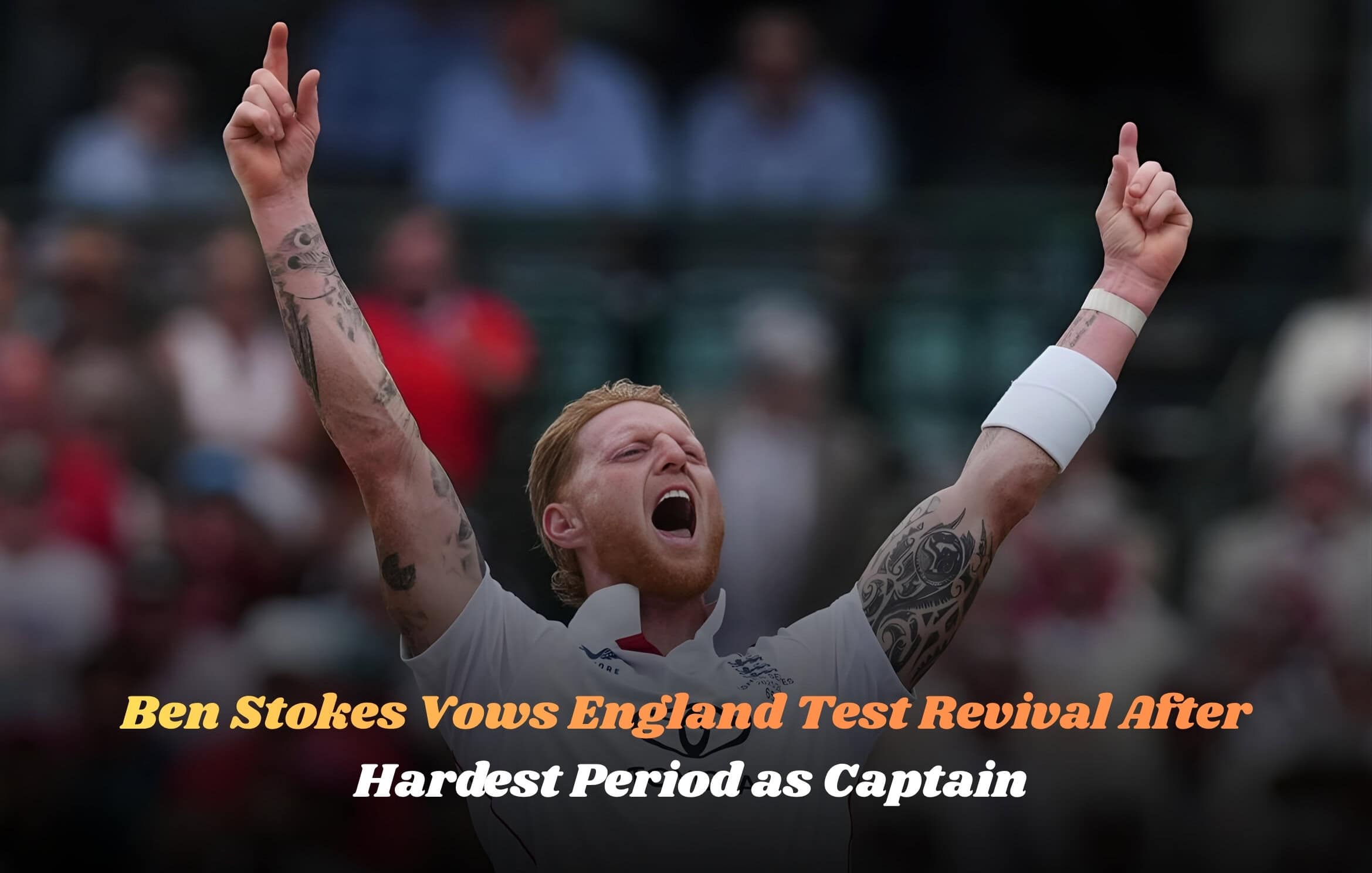
Ben Stokes Reflects on the Hardest Period of His England Captaincy
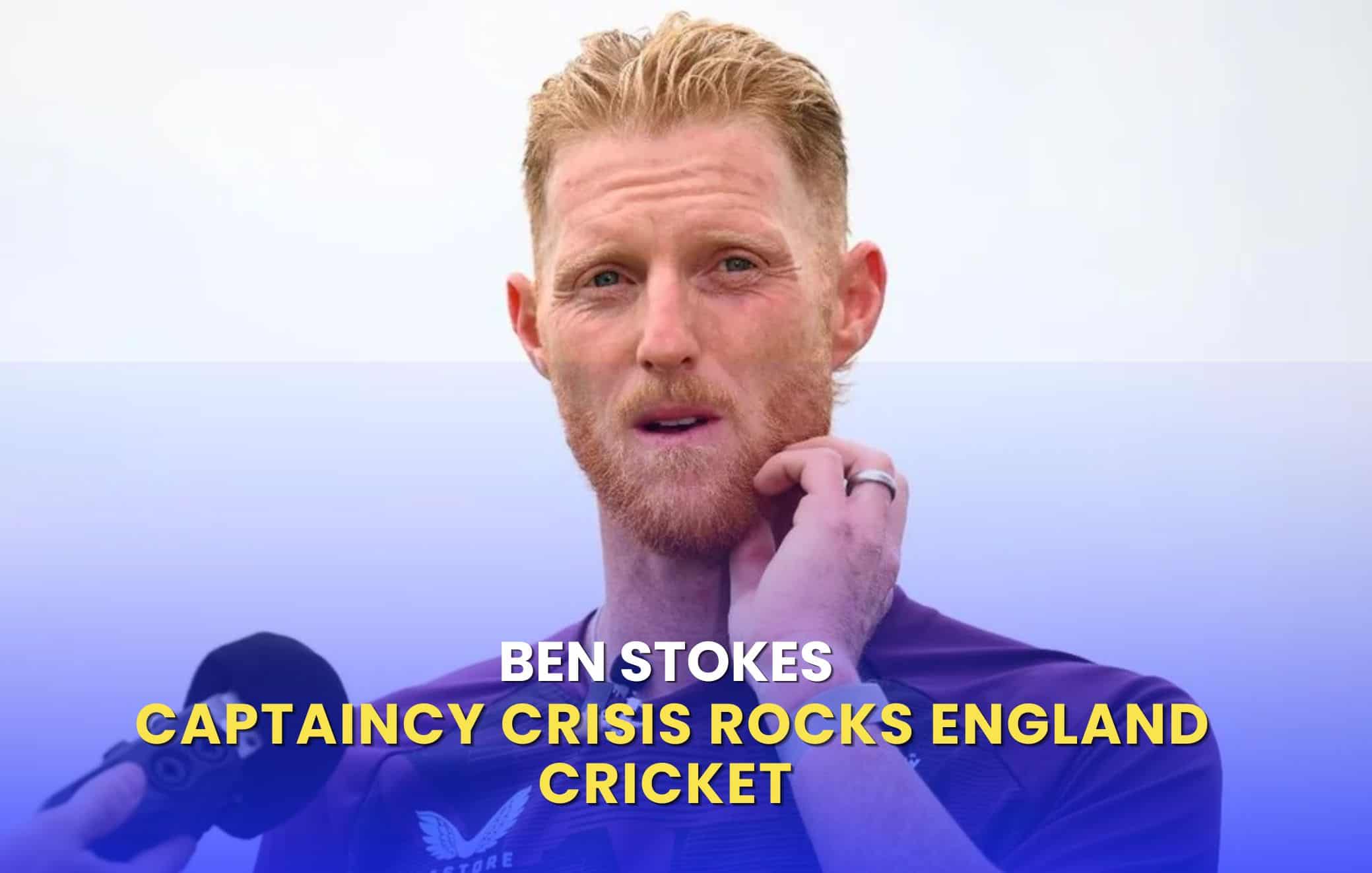
Ben Stokes has described the past three months as the hardest period of his time as England captain, acknowledging openly that the experience has tested him in ways he could not have fully anticipated when he first accepted the role nearly four years ago.
The admission came in the immediate wake of England’s 4-1 series defeat in Australia, a result that drew widespread and pointed criticism of the team’s performances on the field while simultaneously raising serious and uncomfortable questions about the state of the programme away from it.
For Ben Stokes, the period represented not merely a sporting setback of considerable magnitude but a deeply personal reckoning with the demands, vulnerabilities and emotional weight of elite leadership at the highest level of the international game.
The England and Wales Cricket Board moved decisively to draw a line under the uncertainty surrounding the programme’s leadership structure, with chief executive Richard Gould publicly confirming that Stokes, managing director Rob Key and head coach Brendon McCullum would all remain in their posts following the conclusion of the Australia tour.
That decision provided a degree of institutional stability at a moment when the programme had been simultaneously buffeted by poor results on the field, damaging rumour surrounding relationships within the leadership group, and a series of off-field controversies that reflected poorly on the culture of the squad.
The retention of all three figures sends a clear and deliberate signal from the ECB that the foundations laid during the Stokes and McCullum era retain sufficient strength to justify continuity over the kind of wholesale structural change that a 4-1 series defeat might otherwise have precipitated.
Why the Ashes Defeat Exposed England’s Deepest Vulnerabilities
England’s tour of Australia was a sobering and at times deeply uncomfortable experience by any reasonable measure, producing a series scoreline that flattered neither the team’s collective performances nor the manner in which several individual defeats were accumulated across the five-match campaign.
The 4-1 result represented a significant and jarring reversal for a team that had rebuilt its Test identity under Stokes and McCullum with considerable swagger, ambition and a brand of positive, attacking cricket that captured the imagination of supporters and neutral observers across the global game.
The gap between England’s established aspirations and the reality of their execution across five Tests on Australian soil exposed technical, tactical and cultural vulnerabilities that the leadership group will need to address with clarity, honesty and genuine urgency before the home Test summer demands their full competitive attention.
Key moved quickly and publicly to deny reports that Stokes and McCullum had experienced a significant falling out during the course of the Australia tour, despite the pair offering notably contrasting messages in the immediate and emotionally charged aftermath of the series.
The suggestion of a damaging rift between two of English cricket’s most prominent and influential figures added an unwelcome and distracting layer of complexity to an already difficult period for the programme and its supporters. Key’s unambiguous public dismissal of those reports served as an important signal of unity at the very top of the organisation, even as the full scale of the challenge now facing the leadership group remained impossible for any honest observer to understate or minimise.
Beyond the results themselves, the Australia tour generated deeply uncomfortable headlines relating to player conduct away from the competitive arena. Reports emerged of excessive drinking by players during a scheduled break in the tour, raising pointed and entirely legitimate questions about the dressing-room culture that Stokes and McCullum had invested so much personal capital in constructing since assuming charge of the Test programme.
Those troubling reports were subsequently followed by the revelation that vice-captain Harry Brook had been involved in an altercation with a nightclub bouncer during England’s pre-Ashes visit to New Zealand, adding a further layer of unwanted and damaging scrutiny to a period that the England camp is desperately eager to place firmly behind them as the new season approaches.
ECB Acts on Discipline: Curfews and New Selection Structure
The ECB’s institutional response to the off-field concerns was both practical and deliberately swift. A midnight curfew has since been formally enforced across the England squad, a measure that reflects the governing body’s clear determination to reassert the standards of professional conduct that appear to have been allowed to slip during the course of a long, gruelling and ultimately deeply disappointing tour of Australia.
The implementation of firm and explicit boundaries around player behaviour away from the field signals an unambiguous acknowledgement at the highest levels of the organisation that the culture within the squad requires active and ongoing management rather than the passive assumption that elite professional cricketers will reliably self-regulate without appropriate structural support and accountability mechanisms in place.
The ECB are simultaneously in the process of recruiting a new national selector, following the resignation of Luke Wright for personal family reasons that the organisation has stated it fully respects and understands.
Wright’s departure removes a significant and experienced voice from England’s selection architecture at a particularly consequential moment, when the team faces important and complex decisions about personnel, direction and squad composition ahead of a home Test summer that will be scrutinised intensely in the context of everything that has occurred since the Ashes series began.
The process of identifying and appointing a suitable and credible replacement will rank among the most consequential administrative priorities facing the ECB in the coming weeks, given the selection demands that the New Zealand and Pakistan series will generate in relatively short order.
Ben Stokes Issues Emotional and Unfiltered Message to England Supporters
In the midst of the institutional response to a period of profound difficulty, it was Ben Stokes himself who delivered the most personally resonant and widely discussed communication directed at England’s long-suffering supporters.
In an emotional and deliberately unfiltered Instagram post that spoke directly to the fanbase which has followed his captaincy journey through its most exhilarating highs and its painful recent lows, Stokes laid bare the full emotional reality of leading the England Test team through a period of significant adversity and public scrutiny.
The post was characterised by a degree of rawness, vulnerability and personal candour that underlined both the very considerable personal toll of the preceding three months and the extraordinary depth of his commitment to the captaincy role and to the team’s long-term future success.
Stokes was unambiguous about both the personal difficulty of the period and his determination to emerge from it as a more complete and effective leader. He acknowledged that mistakes had been made by himself and by those around him during the course of the Australia tour, framing those errors not as sources of defensiveness or excuse-making but as genuinely valuable lessons that would ultimately strengthen rather than diminish the leadership group’s collective capacity to drive the programme forward toward the performances its players and supporters know it is capable of producing.
The message was one of clear personal accountability delivered with conviction, humility and an absence of the deflection that public figures in positions of pressure so frequently resort to when results and circumstances turn decisively against them.
Stokes was categorical and entirely unambiguous in his reaffirmation of the leadership group around him. He wrote that McCullum, Key and himself share the passion and desire to take the team forward, acknowledging openly that mistakes had been made along the way while insisting that the most important lessons had been absorbed and internalised.
He framed failure not as a terminal verdict on the programme’s ambitions but as the most powerful and reliable source of learning available to any leader or team genuinely committed to long-term growth and improvement. It was a communication that cut through the noise of a difficult period and spoke directly to what England’s supporters most needed to hear from their captain at a moment of genuine uncertainty.
The Stokes and McCullum Partnership: Too Valuable to Abandon
Central to Stokes’ public message was a pointed and deliberate reaffirmation of his personal faith in the leadership partnership that has defined the England Test programme’s identity and ambitions since the pair took charge together.
Despite the considerable noise surrounding the reported tensions between Stokes and McCullum during the Australia tour, the England captain was categorical in his endorsement of both McCullum and Key as the right and essential people to accompany him through the programme’s current period of difficulty and back toward the standards of performance the team knows it is capable of achieving when everything is aligned and functioning as it should.
That public declaration of unity carried significant and reassuring weight at a moment when the coherence and durability of the leadership structure had been openly and persistently questioned by commentators and former players across the game.
The dynamic between Stokes and McCullum has been one of English cricket’s most productive, fascinating and genuinely influential partnerships in the modern era of the sport.
McCullum’s bold philosophical approach to Test cricket, built on the conviction that positive and aggressive intent produces better outcomes than cautious accumulation, combined with Stokes’ unique capacity to embody that philosophy as both a leader and a match-winning performer of the very highest individual quality, produced results and performances during the early stages of their tenure that reinvigorated Test cricket in England in a manner that few observers had believed possible after the dismal results that preceded their appointment.
The suggestion that the relationship had deteriorated under the immense pressure of the Australia tour was therefore particularly damaging to the programme’s public standing, making Key’s robust rebuttal and Stokes’ own forceful reaffirmation of collective unity all the more important and timely in stabilising the broader narrative around the team’s direction and purpose.
Ben Stokes Injury Recovery and Return With Durham
On the field, Stokes has been entirely absent from competitive cricket since sustaining a groin injury during the fifth and final Ashes Test in Sydney in January, an injury that has kept him on the sidelines throughout what has already been a demanding and emotionally taxing period for the programme he leads.
The physical process of recovering from that injury has added yet another dimension of difficulty to a stretch that has been testing for Stokes in virtually every conceivable respect, forcing him to watch from a distance as the fallout from the Australia tour unfolded rather than being able to channel his energy and focus into the competitive preparation that elite athletes typically rely upon to provide structure and forward momentum during difficult periods.
Stokes is, however, now set to return to competitive action for Durham in the County Championship ahead of the home Test summer, a development that will be warmly and enthusiastically welcomed by England supporters who are eager to see their captain back at the centre of competitive proceedings where his presence and influence are most directly felt.
The County Championship return will provide Stokes with an invaluable opportunity to rebuild his match fitness, technical sharpness and competitive rhythm in a demanding first-class environment before the full requirements of the international programme reassert themselves with the arrival of New Zealand in June.
His return will be managed with appropriate care by both Durham and the ECB, with the shared priority being to ensure that he arrives at the start of the home Test summer in the best possible physical and mental condition to lead his team with the full force of his considerable capabilities.
England’s 2026 Home Test Summer: The Road Back Starts Now
England’s home Test programme for the 2026 summer represents the leadership group’s most immediate and significant opportunity to translate the difficult lessons of a punishing winter into a concrete and visible improvement in both competitive results and the culture surrounding the team.
Three Tests against Brendon McCullum’s native New Zealand in June will open the summer, providing an early and symbolically meaningful opportunity for the coach to demonstrate that the programme he has dedicated himself to building retains the quality, the character and the resilience to compete and win at home even after the setbacks and controversies of the preceding months.
The New Zealand series will be scrutinised with exceptional intensity for signs of the attitudinal adjustments and cultural improvements that the ECB’s post-Australia response has indicated are considered necessary and non-negotiable going forward.
Three further Tests against Pakistan in August and September will then complete England’s home Test summer, extending the opportunity for the leadership group to build sustained momentum and to demonstrate to a watching cricket world that the changes implemented following the Ashes defeat have taken genuine and lasting root within the squad and its competitive identity.
The Pakistan series will carry particular significance in the context of England’s longer-term ambitions and their standing in the global game, providing a later-season opportunity to consolidate whatever progress has been made during the New Zealand Tests and to end the home summer with the kind of emphatic collective statement that the programme’s supporters and stakeholders have been waiting with considerable patience to witness once again.
Why Ben Stokes Remains the Right Leader for England’s Test Revival
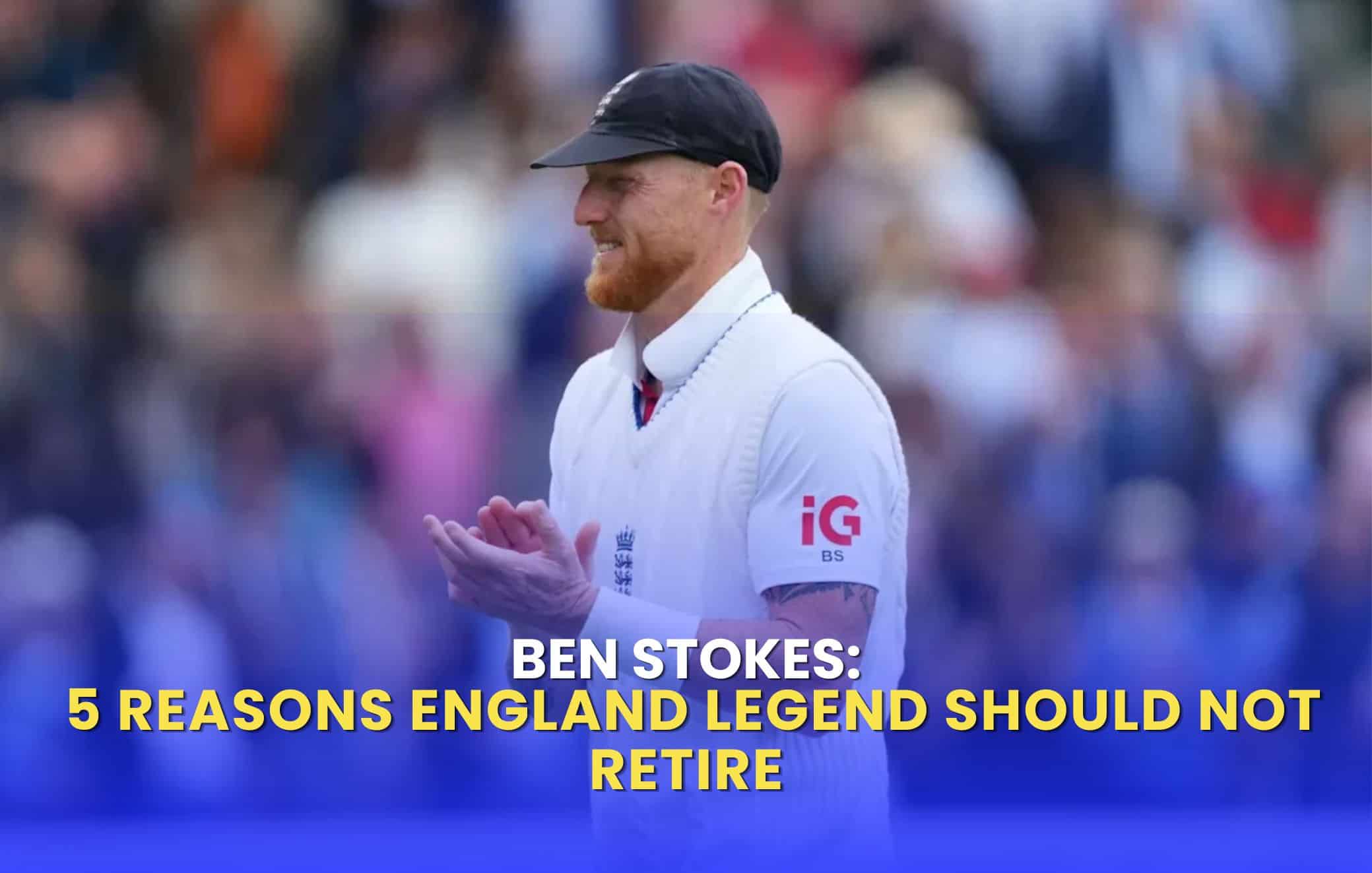
The retention of Stokes as England Test captain, endorsed without reservation at the highest levels of the ECB and reaffirmed by the captain himself with unmistakable personal conviction and emotional directness, reflects a carefully considered institutional judgement that the qualities he brings to the captaincy remain genuinely irreplaceable at this particular stage of the programme’s development and evolution.
His capacity for match-winning performances of the highest individual quality under the most intense competitive pressure, his deep philosophical alignment with McCullum’s positive and ambitious approach to the game, and his demonstrated and repeated ability to inspire extraordinary collective efforts from the teams he leads all point toward a captain whose value to English cricket extends far beyond the cold statistical record of series won and lost during his tenure.
The past three months have represented the most demanding and revealing examination of Stokes’ character as a leader that his nearly four-year captaincy has yet produced, and the manner in which he has chosen to respond publicly to that examination suggests a captain who has emerged from the experience with a more complete, honest and ultimately more effective understanding of what the role demands when circumstances are at their most challenging and unforgiving.
Leadership is revealed most clearly and most truthfully not in the moments of triumph that confirm existing convictions and reward established methods, but in the moments of genuine adversity that demand a fundamental and sometimes uncomfortable reassessment of priorities, relationships and the assumptions upon which a programme’s identity has been constructed.
English cricket’s immediate and longer-term future depends in no small measure on the ability of Stokes, McCullum and Key to translate the hard and costly lessons of a difficult winter into a coherent, honest and genuinely compelling plan for the summer ahead and for the cycles of international cricket that will follow it.
The foundations of something genuinely exciting and worth supporting were laid with care and ambition during the early and most successful years of this leadership era, and there is no compelling reason grounded in honest assessment to believe that those foundations cannot be built upon again with the same conviction, creativity and collective belief that made English Test cricket such a compelling proposition before the events of the past three months temporarily obscured the very real progress that had been made.
Stokes has made his intentions emphatically and personally clear to every England supporter. The summer of 2026 will be the stage on which those intentions are put to their most rigorous and revealing test.
🔗 Visit our other platforms:
8jjSports.com










Oh my goodness! Amazing article dude! Many
thanks, However I am encountering problems with your
RSS. I don’t understand the reason why I am unable to subscribe to it.
Is there anybody having identical RSS problems? Anyone that
knows the answer can you kindly respond? Thanks!!
This post will assist the internet people for creating new webpage or even a blog
from start to end.
Nice blog here! Additionally your web site so much up fast!
What host are you the usage of? Can I am getting your associate link on your host?
I want my web site loaded up as fast as yours lol
Thanks for the auspicious writeup. It in fact was once
a amusement account it. Look complex to far introduced agreeable from you!
However, how could we keep in touch?
Magnificent beat ! I would like to apprentice whilst
you amend your site, how could i subscribe for a weblog web site?
The account aided me a appropriate deal. I were tiny bit familiar of this your broadcast provided vibrant clear
concept
I read this paragraph fully on the topic of the difference of latest and previous technologies,
it’s amazing article.